This year, rather than collecting iPads from our current 4,500 students, we decided to have them hang on to their iPads for the summer. Last summer we changed mobile device management systems and therefore needed to touch every iPad. This year, we have no reason to collect every device. We recently added an enterprise web content filter on student iPads that offers the same level of filtering off campus as students have at school. After reviewing all the ways our students could use their iPad for learning over the summer, it made the most sense to allow students to keep them.
We will only be collecting the iPads of our 750 graduating seniors. Those four year old iPad2s will be reused for a fifth year in a row by next year's grade five students. We have been very pleased with the functionality of these iPad2s, originally planning to just get three years of use out of them.
Next year our iPad one-to-one program will expand again and cover all 6,000 students in grades 5-12. (Related: Tip #1 for a Successful 1:1 Implementation: Execute the Rollout Carefully and Deliberately and more about Minnetonka's 1:1 iPad Program) Below is the letter about keeping iPads for the summer that was sent home to all grade 7-11 parents last week:
-----
As the school year comes to a close, we want to let you know that students will keep their iPads over the summer. We have reached this decision after considering the many opportunities students now have for learning: reading eBooks, taking Tonka Online classes, reviewing materials and practicing skills learned this year, further investigating academic interests, and exploring and creating projects based on personal interests. Opportunities for learning over the summer abound, and we believe the iPad is an effective tool our students can use to take advantage of these opportunities. Please also note that internet content filtering has recently been installed on student iPads that offers the same level of filtering off campus as students have at school.
In preparation for next year, there are four important items that need your attention.
1. All iPads will be inspected before summer to assess damage. Any fines will be listed in your child’s account. Should an iPad need repair during the summer, it should be brought to the school office where your student will attend next year as soon as possible. Please do not wait until the end of summer or it may not be able to be repaired by the first day of school.
2. Optional insurance coverage for currently insured iPads will be extended through September 7, 2015 at no additional premium. If you plan to renew your insurance coverage for next school year, you may pay the $40 annual fee online for uninterrupted coverage that begins on September 8, 2015. If you are not currently covered and wish to purchase insurance, your child must have her/his iPad inspected by Media Staff before the $40 fee will be added to your child’s account and coverage will begin. Payment Directions
3. Your child should bring her/his iPad ready to go and fully charged for learning on the first day of school, September 8, 2015. Like pencils, paper, and folders, the iPad has become an essential tool for school, and your child's teachers are planning activities and lessons on the first day of school that will help your child be organized and successful with the iPad.
4. Continue to talk with your child about digital citizenship and appropriate use of the iPad. While no filter is 100% effective, having the District’s filter on your child’s school iPad helps. For devices at home and personal cellular devices, we strongly recommend installing filters. As a friendly reminder, we encourage regular family conversations with your teen about digital citizenship, care and use of the iPad, and a focus on educational use. Please consider a Media Use Parent-Teen Agreement from Common Sense Media to begin conversations with your child.
Thank you for your attention to these important items. We hope your child has a summer filled with adventure, exploration, and learning!
Sincerely,
The Minnetonka Teaching & Learning and Technology Departments
-----
Other related posts:


 One of the things discussed was the Stakeholder Communication Matrix pictured. A colleague had us work in small groups to think of a project we were currently working on that involves a big change, and then list all of the people and groups that were part of this change. For example, the small group I was with focused on the expansion of our 1:1 iPad program in Minnetonka to grade five classrooms at our elementary schools next year. We will then use iPads 1:1 with all 6,000 grade 5-12 students this fall.
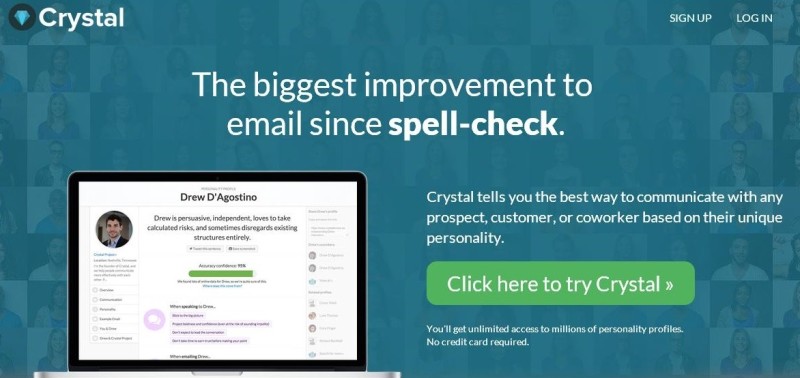 Last week on WNYC's Note to Self podcast (Formerly the New Tech City Podcast), host Manoush Zomorodi focused on a service called Crystal Knows, which I found pretty fascinating. Crystal Knows is an email "coach" that (who?) gives you suggestions on how to best respond to an individual based on their personality type. It determines this by scanning the Internet to look at public profiles and other online content. It then uses algorithms to determine that individual's personality type. This data is then shown to you as you are composing your email, and Crystal also coaches you as you write your response, letting you know whether or not your email is being written in the best possible way to have the biggest impact, make the sale, get your point across, etc.
  This morning I had the opportunity to be on KARE11 News as part of a story Helping Kids Make Good Digital Decisions. The story featured four interviews with Boua Xiong from KARE 11, Minnetonka Public Schools parents and their children, and me. We discussed a wide range of topics including what age is appropriate to get a cellphone, filtering and monitoring tools available, social media, and digital footprints. I am so thankful for the opportunity to share tips and resources with so many people. I was on hand in the studio to do a live Facebook chat for people commenting on the story and asking questions. The reach of a televised new story is quite amazing to me. By 7:30am, over 24,000 people had viewed the story on Facebook. Fortunately not all of them had questions!


